

How to Read a Deer Velvet Supplement Certificate of Analysis
Last Updated: November 14, 2026
Quick Summary
A deer velvet supplement certificate of analysis is a lab report showing what a specific batch was tested for and the results, tied to a single lot number. Check identity, composition, heavy metals, microbial and adulteration tests, and confirm the batch number matches your bottle exactly.
- A COA missing the batch number is the biggest red flag in the category.
- A result with no stated method, detection limit and acceptance criterion is just a number.
- Contact the lab through its published details, not a seller-supplied link, to confirm the report.
- A COA cannot rule out side effects or interactions with medication you take.
- Run the same checklist on every reorder, because a new batch means new results.
Table of Contents
- What a Certificate of Analysis Actually Proves
- The Certificate of Analysis Supplements Buyers Should Demand
- Deer Antler Velvet Supplement Testing: The Tests That Matter
- How to Verify a COA Belongs to the Product and Lot You Bought
- Deer Antler Velvet IGF-1: What the Lab Can and Cannot Confirm
- Deer Antler Velvet Side Effects and What Testing Does Not Rule Out
- Checking Your NZVel Certificate Before You Reorder
- Frequently Asked Questions
What a Certificate of Analysis Actually Proves
A certificate of analysis is a lab report that shows what a specific batch of a deer velvet supplement was tested for, and what the results were for that deer velvet supplement. It does not prove the product works. It proves what is inside the bottle, and that matters more than most buyers realise.
A COA is one of the few documents that lets you check a supplement before you take it.
Here is the honest limit, though. A certificate of analysis supplements buyers rely on is only as good as three things: the lab that ran it, the batch it covers, and whether the report is actually about the product in your hand. Miss any of those and the document is decoration.
This guide walks you through a deer velvet certificate of analysis field by field. You will learn what each test means, what it cannot tell you, and how to spot a report that has been reused or dressed up.
The Certificate of Analysis Supplements Buyers Should Demand
Most supplement COAs are thin. A real one for deer antler velvet supplement testing should cover identity, potency markers, contaminants, and microbial safety, all tied to a single lot number.
Demand these components before you trust any report:
- Product name and source material - what the material is and where it came from
- Lot or batch number - the unique code matching your bottle
- Manufacturing or expiry date - so you know the batch is current
- Laboratory name and accreditation - who ran the tests and under what standard
- Analytical method for each test - how the lab measured it
- Result, unit of measurement, and pass/fail - the actual number, not just a tick
- Detection and quantitation limits - the smallest amount the method can reliably see
- Signature or authorisation - a named person accountable for the report
A COA missing the batch number is the biggest red flag in the category. Without it, the report could belong to any batch ever made.
Deer Antler Velvet Supplement Testing: The Tests That Matter
Deer antler velvet is a biological material, so the test panel has to cover both what should be there and what should not.
Here is the panel a deer velvet COA should carry, and what each test is actually confirming.
Identity testing. This confirms the material is deer velvet and not a substitute, filler, or extract of a different tissue. Labs typically use chromatographic or spectroscopic fingerprinting, for example, a chromatographic profile compared against a reference standard, or spectroscopic scanning matched to a known spectrum.
Potency and composition testing. Deer velvet is complex, with a long list of components, so most labs report a profile rather than one headline number. Composition testing may cover protein content, amino acid profile, collagen-related markers, and, where claimed, growth-factor-related analytes. The key editorial point: a composition profile describes the sample.
Heavy metals testing. This checks lead, arsenic, cadmium, and mercury. It matters because deer velvet is a natural product, and natural products can concentrate minerals from soil and feed. The report should state the method type (commonly spectrometric, such as ICP-based analysis) and the limit of detection for each element.
Microbial testing. This covers total plate count, yeast and mould, and specific pathogens such as Salmonella and E. coli depending on the market. A product that fails here is a safety issue, not a quality issue. The report should name the organisms tested and the acceptance criterion for each.
Contaminant and adulteration screening. For deer velvet specifically, the adulteration risks worth screening for are dilution with cheaper material (other animal tissue, fillers, or bulking agents), undeclared extracts, and prohibited ingredients. Targeted screening panels look for these.
| Test | What It Confirms | Typical Method Type | What the Report Should State |
|---|---|---|---|
| Identity | Material is deer velvet | Chromatography or spectroscopy | Method name and reference standard |
| Composition | Active ingredient profile | Chemical fingerprinting | Analytes tested and units |
| Heavy metals | Lead, arsenic, cadmium, mercury levels | Spectrometric analysis (e.g., ICP-based) | Element list, detection limit, acceptance criterion |
| Microbial | Bacteria, yeast, mould, pathogens | Culture and plate counts | Organisms tested and pass threshold |
| Adulteration | No undeclared or prohibited material | Targeted screening panels | What was screened for |
A useful way to read the panel is to separate tests that confirm what is in the product (identity, composition) from tests that confirm what is not (heavy metals, microbial, adulteration). Both halves matter, and a COA that covers only one half is incomplete for a biological ingredient like deer velvet.
Watch out: a report that lists a test category but omits the method, the detection limit, and the acceptance criterion is not a test result you can evaluate, it is a label. Ask for the underlying method detail before treating any result as meaningful.
How to Verify a COA Belongs to the Product and Lot You Bought
The single most common mistake is accepting a COA that is real but belongs to a different batch. A genuine report for the wrong lot is more dangerous than an obviously fake one, because it looks credible. Closing that gap takes three steps: match the document to the bottle, match the document to the lab, and match the document to the date.
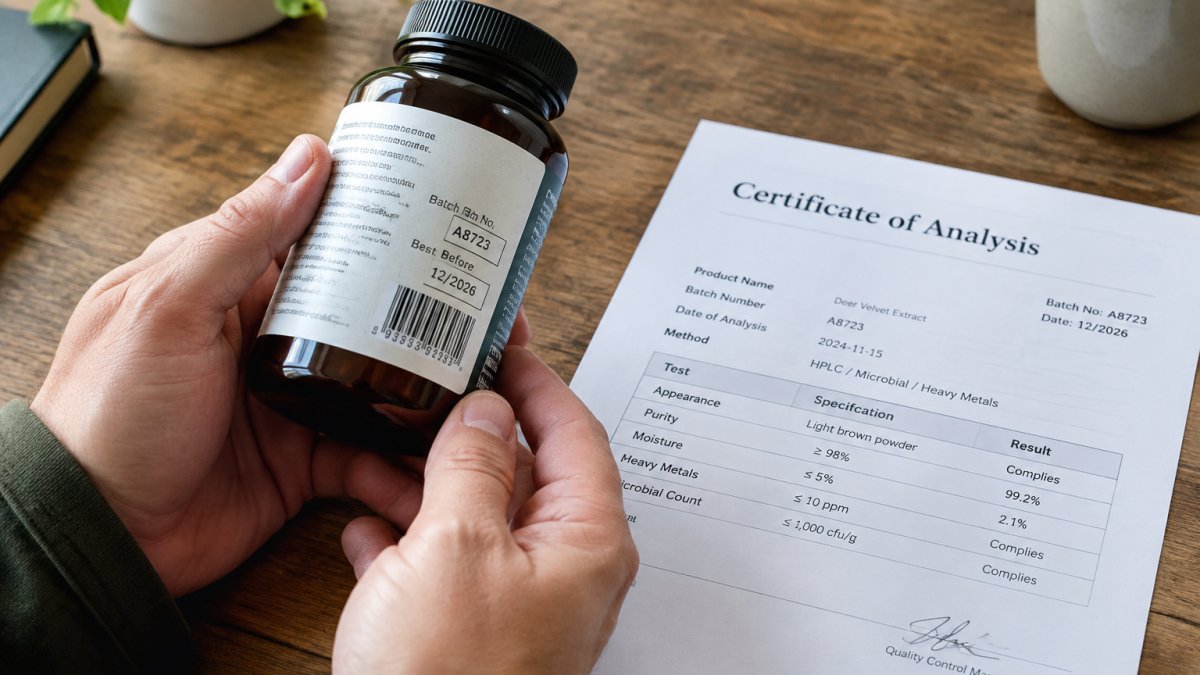
Step 1, Match the document to the bottle. Put the bottle beside the report and read the batch number on both, character by character. A single digit difference means you are looking at a different lot. Then confirm the product name, the capsule count, and the format match.
Step 2, Match the document to the lab. The report should name the laboratory and, ideally, carry an accreditation reference. Most accreditation bodies publish a scope document listing the tests a lab is accredited for; a lab can be accredited for microbial testing but not for heavy metals, and the report should not imply otherwise.
Step 3, Match the document to the date. Test dates should fall before the batch was released, and the report should be dated within a sensible window for that batch. A report dated years before the batch code, or after the product shipped, is a mismatch worth questioning.
Then work through this checklist:
- Batch number on the COA matches the bottle exactly
- Product name and capsule count match
- Test dates fall before the batch was released
- Lab name appears on the report and is traceable
- Accreditation reference is present and checkable
- Report is dated within a sensible window for that batch
- Results are specific numbers, not just "pass"
- Units of measurement are stated for every result
- Detection and quantitation limits are stated where relevant
How to confirm a report with the testing lab. This is the step almost no buyer takes, and it is the one that separates a verified COA from a plausible PDF.
How to spot a reused or template report. A supplier who sends the same PDF to every customer, with no batch reference, is showing you a template, not a test result. Other patterns worth flagging: identical report numbers across different products, reports with the client name blanked out, results that never change between batches, and reports where the only variable is the date.
Watch out: a seller who cannot produce a lot-specific report on request, or who supplies a report whose reference number the named lab does not recognise, is giving you a document rather than a verification.
Deer Antler Velvet IGF-1: What the Lab Can and Cannot Confirm
IGF-1 is where deer velvet marketing gets loudest and testing gets quietest. A lab can measure IGF-1 in a sample if the method is validated for that matrix. What it cannot do is tell you what that number means for your body.
Three limits matter here:
- Method sensitivity. IGF-1 sits at low concentrations, so the detection limit and quantitation limit of the analytical method decide whether a result is meaningful at all.
- Matrix effects. Deer velvet is a complex biological matrix. Extraction and clean-up steps affect recovery, and recovery affects the reported number.
- Biological translation. A lab result describes the sample. It says nothing about absorption, dosage, or effect in a person.
A COA shows a measured concentration in a sample, not a performance outcome. For context on how supplement labelling and claims are regulated, the FDA guidance on dietary supplement labelling sets out what a manufacturer may and may not state.
Deer Antler Velvet Side Effects and What Testing Does Not Rule Out
A COA cannot rule out side effects. Testing screens a batch for contaminants and identity. It does not screen you.
What a COA will not tell you:
- How your body will respond to the product
- Whether it interacts with medication you take
- Whether a dose is right for your age or health status
- Whether long-term use carries risks
If you take prescription medicine, are pregnant, or manage a health condition, talk to your doctor before starting any supplement. That advice holds regardless of how clean the certificate looks.
The National Institutes of Health Office of Dietary Supplements maintains fact sheets on supplement safety that are worth reading before you buy. And if a product claims to treat a condition, treat that as a warning sign, not a feature.
Checking Your NZVel Certificate Before You Reorder
Reordering is when people stop checking. That is backwards. A new batch means a new set of results, and you should see them.
When your next bottle arrives, run the same checklist: batch number, test dates, lab name, and specific results with units. If anything is missing, ask us. We would rather answer the question than have you guess.
If you are restocking, you can shop the 120-capsule pack for a longer supply, or pick up the 60-capsule size if you are still trialling it. Both come from the same New Zealand source and the same testing process.
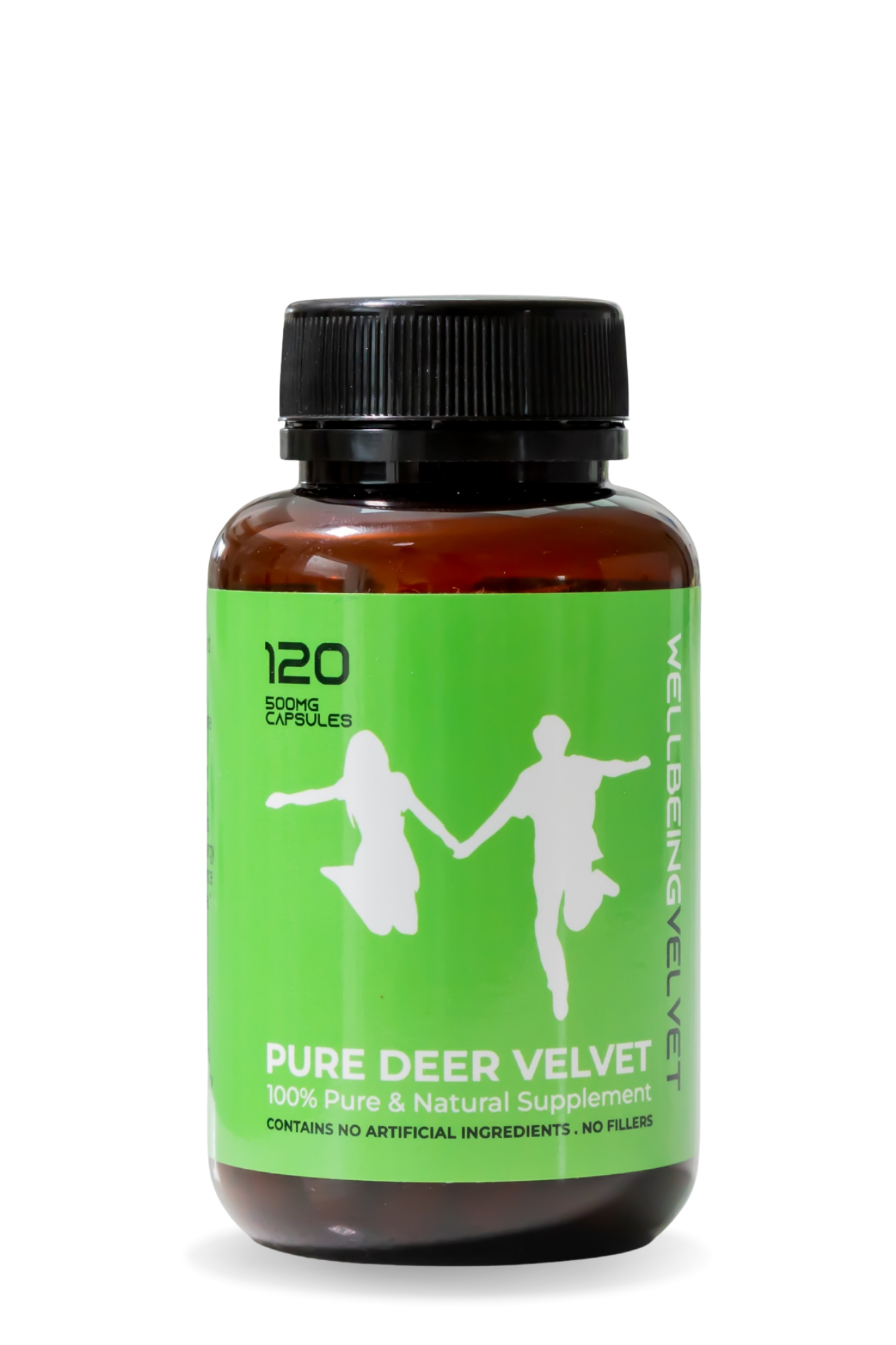
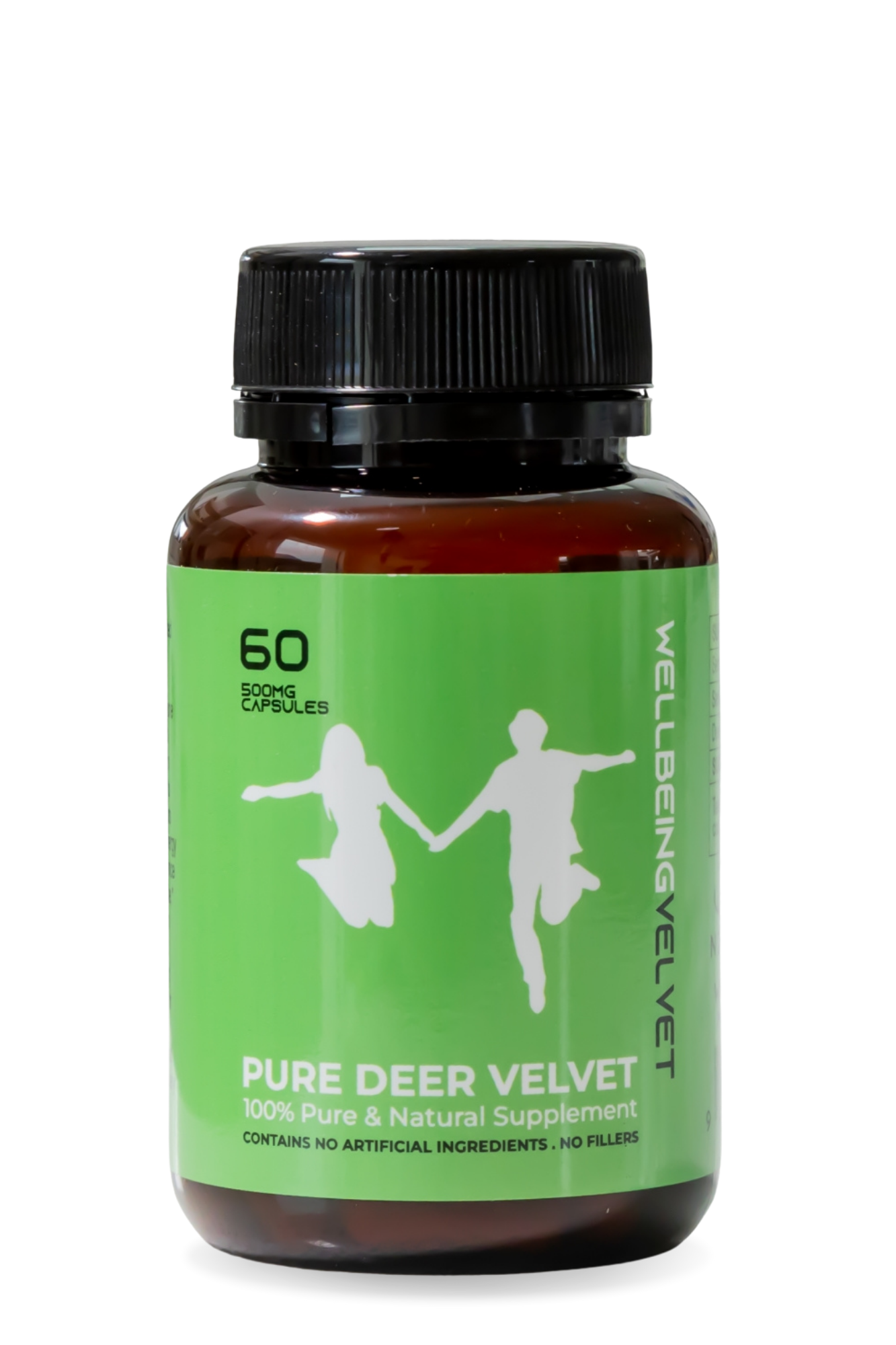
Our position is simple. A supplement is only as good as what is actually in the capsule, and a proper COA is how you check. NZVel deer velvet is 100% pure New Zealand deer antler velvet, made with a patented formula designed for up to 70% absorption, and harvested through a deer-friendly process. The certificate is how you can check that for yourself.
Reading a COA is a habit, not a one-off task. The buyers who get burned are the ones who check once and never look again, while batches change underneath them. Build the five-minute check into every reorder and you remove most of the risk from buying supplements online.
At NZVel, we make that check easy. Our Pure Deer Antler Velvet comes from clean New Zealand pastures, uses a deer-friendly harvesting process, and is built on a patented formula designed for up to 70% absorption.
Frequently Asked Questions
What should a certificate of analysis for a deer velvet supplement include?
A usable COA names the product and lot or batch number, the source material, and the laboratory that ran the tests, with its accreditation status. It should list each analytical method, the result, the units of measurement and the written specification the result is judged against, plus a clear pass/fail statement. For deer velvet, look for ingredient identity, potency, heavy metals, microbial testing and adulteration screening, including checks for prohibited ingredients.
How can you tell if a supplement certificate of analysis is legitimate?
Check three things. First, the lot or batch number on the COA must match the one printed on your bottle. Second, the report should come from an independent laboratory with named accreditation, not a document produced in-house with no lab details. Third, results should sit against a written specification with units and detection limits, not vague statements. A COA with no lot number, no method names or no lab identity tells you nothing about the product in your hand.
Does a deer velvet supplement COA test for contaminants?
A thorough COA covers heavy metals such as lead, arsenic, cadmium and mercury, plus microbial testing for total plate count, yeasts and moulds, and pathogens. Some panels add screening for adulteration and prohibited ingredients. What the report cannot do is guarantee zero risk: a non-detect result only means the substance fell below the detection limit of that analytical method, so the detection and quantitation limits matter as much as the result itself.
Who should not take deer antler velvet?
Anyone with a health condition, anyone taking medication, pregnant or breastfeeding women, and children should speak to a doctor before using any supplement. Athletes should also check their sport's rules before using it. A COA confirms what is measured in the batch, not your personal suitability for the supplement.
